/nemco-logo.png)

Walk into any busy convenience store today, and you’ll see the shift in real time: less emphasis on packaged snacks and more focus on hot food, premium beverages, and ready-to-go meals.
Operators are expanding foodservice because customers expect more, but they’re trying to do it within the same limited square footage. Counter space is tight. Throughput is rising. Labor is thin. And so much of today's c-store foodservice capacity is derived from the counter.
Trend Snapshot: 6 Forces Changing C-Store Foodservice
The six forces below show why operators are expanding menus, upgrading equipment, and redesigning layouts to keep pace with changing traffic patterns, new flavor preferences, and the rise of convenience tech. Each trend creates a different pressure on the counter, and together they define where c-store foodservice is headed next.
1. Foodservice Is Becoming a Primary Destination
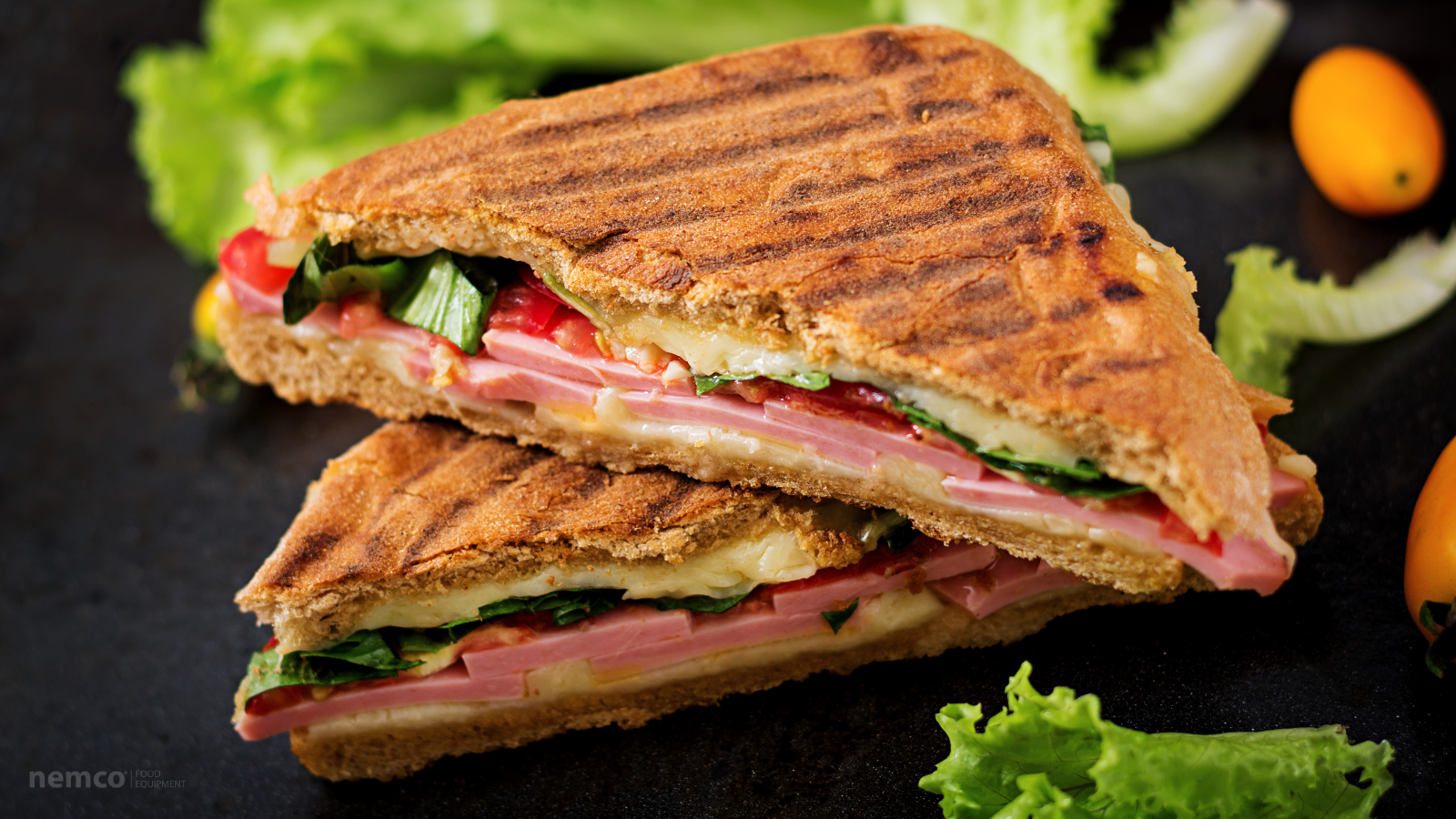
 More customers now treat c-stores like fast-casual stops. Over 60% view c-stores as legitimate food destinations, and 25% stop regularly for lunch. Hot foods, grab-and-go items, and made-to-order programs are driving traffic—not just fuel.
60% of Shoppers Now See C-stores as Food Destinations
Counter impact: To capture demand, operators need compact hot-holding merchandisers and countertop cooking capabilities that deliver consistent output without requiring full kitchen builds. Visibility and speed are everything.
2. Health, Wellness & Variety Are Expanding the Menu
 Shoppers are reaching for protein-forward snacks, plant-based items, and clean-label beverages. More than 50% of consumers now identify as flexitarian, representing a significant shift from traditional c-store expectations.
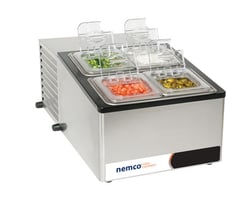
Counter impact: Operators need cooling equipment, such as cold condiment stations, to help store and create convenient dispensing options for health-minded customers.
3. Premium Beverage Programs Drive High-Margin Add-On Sales
Coffee and cold beverages remain foundational, but the category is evolving. Consumers increasingly expect gourmet brews, specialty teas, electrolyte drinks, and premium ready-to-drink options. And the synergy is powerful: 37.4% of beverage buyers also pick up prepared food.
Counter impact: Hot and cold beverage stations should be strategically placed near hot case items and impulse-friendly displays. Countertop equipment helps link beverage sales directly to foodservice margins.
4. Bold Flavors and Nostalgia Keep Shoppers Engaged
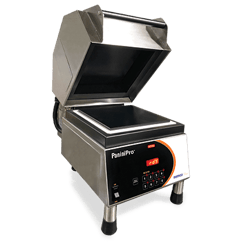 C-stores are leaning into spicy items, global flavors, and fun nostalgic snacks. Limited-time flavors spike interest, but they also require equipment that can keep up with quick menu pivots.
Counter impact: Ventless rapid-cook ovens, panini presses, and multifunction countertop units let operators run rotating items without increasing labor or installation needs.
5. EV Charging Creates Longer Browse Time
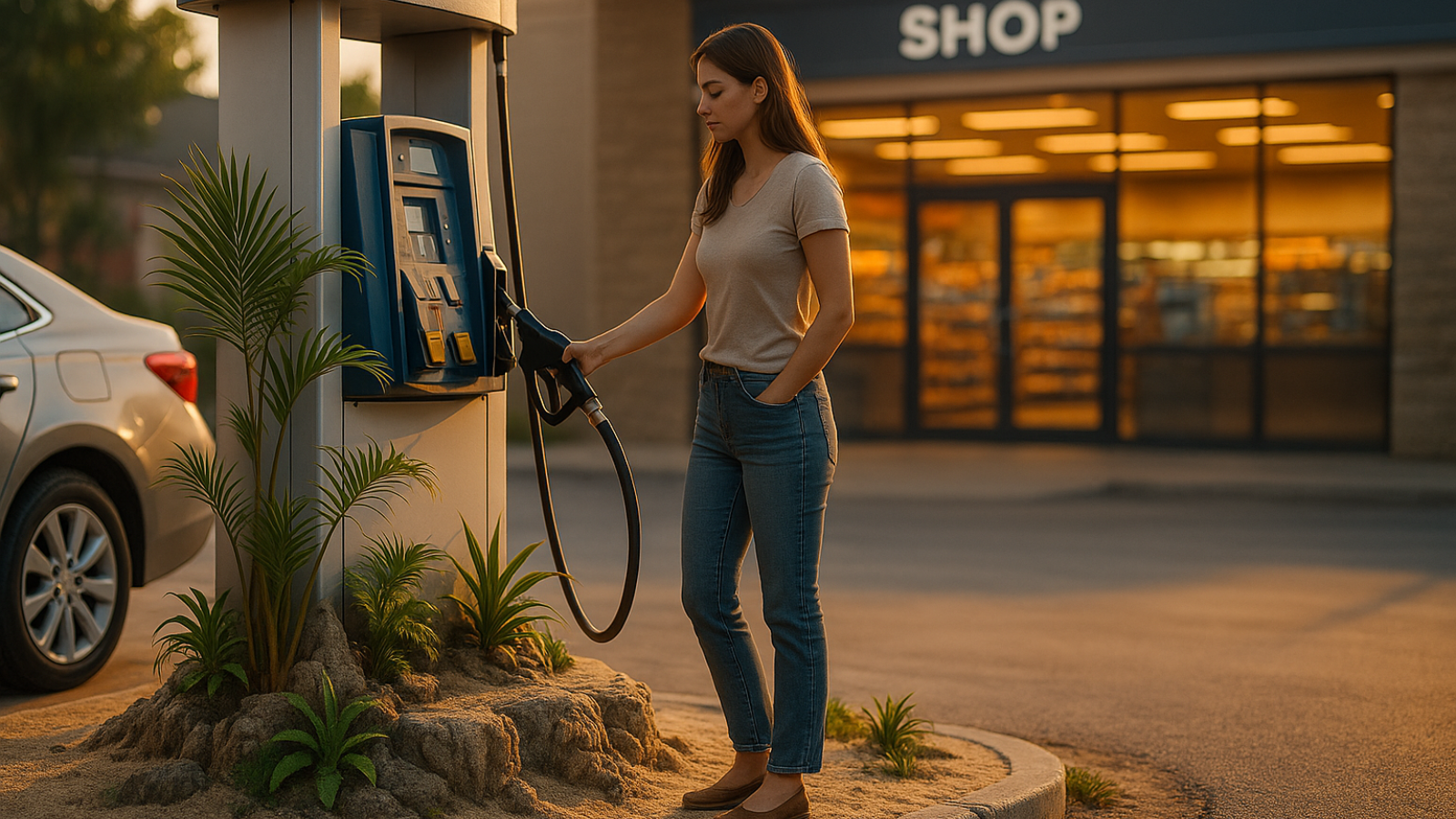
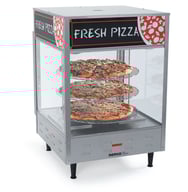 With EV chargers expanding nationwide, customers often spend 15–45 minutes onsite, and 80% shop the store while they wait. That’s a major opportunity for counters with visible, grab-ready food items.
Counter impact: Heated shelves, warmers, and merchandisers should be positioned where car-charging customers naturally walk in. Counter visibility shapes impulse decisions.
6. Digital Loyalty & Convenience Tech Shape Behavior
Mobile ordering, self-checkout, digital coupons, and personalized loyalty programs are reshaping customer flow. Loyalty apps produce a strong ROI — operators report an average 4.8× return.
Counter impact: As more transactions move touchless or automated, counters have to “sell themselves” through visibility, branding, and consistent product availability.
Why Counter Efficiency Matters More Than Ever
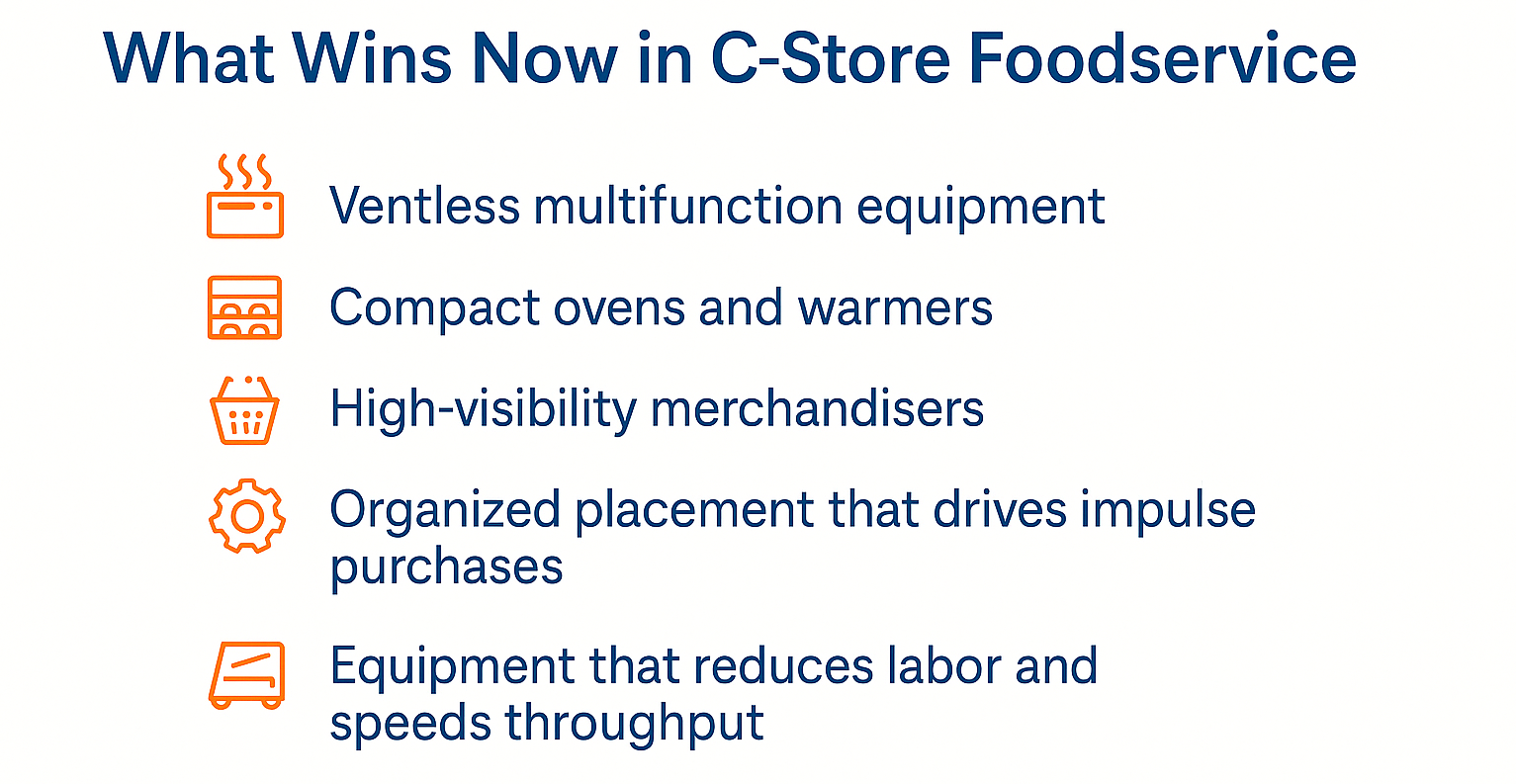
Six major forces—foodservice growth, beverage premiumization, EV dwell time, digital loyalty, menu diversity, and flavor innovation—all push traffic toward the counter. And that means the counter becomes the operator’s highest-value real estate. Let's take a look at the difference-makers in c-store foodservice:
C-Store Foodservice FAQs
What’s the most important counter space change c-stores can make right now?
Start with visibility. Hot and cold grab-and-go items should sit directly in the customer’s natural path, ideally between beverage stations and the checkout counter. Visibility drives impulse purchases and supports higher throughput.
How can small c-stores add foodservice without major renovations?
Ventless countertop equipment is the fastest path forward. Rapid-cook ovens, merchandisers, and warmers don’t require hoods, gas lines, or large prep areas. A small counter setup can run breakfast, lunch, and snacks with minimal staff.
What types of equipment help reduce labor during peak hours?
Look for units that automate key tasks: rapid-cook ovens with presets, heated merchandisers that maintain consistent temps, and equipment with simple, intuitive controls. The goal is to keep food ready with the least amount of staff involvement.
The Nemco team has a comprehensive guide, The Convenience Store Opportunity, that we're happy to share with you. Click the button below to download it today.