/nemco-logo.png)
First—Food Waste and Understanding the Ideal Amount
Yes. You read that right.
“Waste,” says Prorok, “is critically important, but can easily be mismanaged. Retailers often make the assumption that no waste is a good thing.”
When CSP interviewed Ryan White as director of foodservice for Blarney Castle Oil Company’s c-store chain, White made a similar case. “Foodservice,” he said, “is not a perfect world; there has to be waste. Too little is bad. If your waste is at 1%, then you’re scared of waste and you’re not putting enough out.”
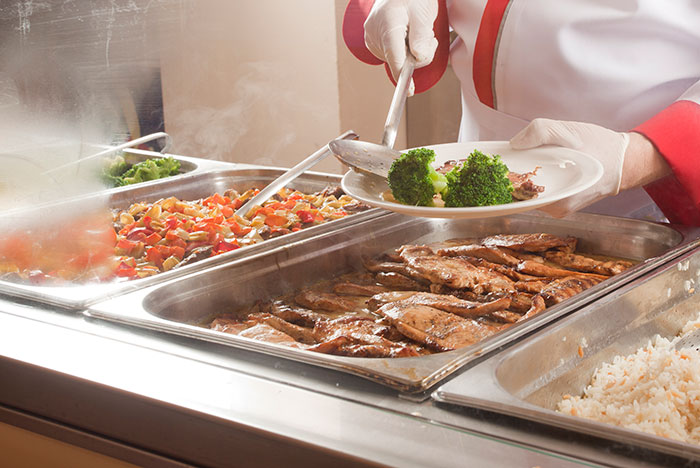
If and when you increase your self-serve food offering with this understanding (White told CSP he aims to allocate 5% or so to food waste), minimizing the loss beyond your ideal amount—and preventing the potential catastrophic loss in the aftermath of a foodborne illness—comes down to scrutinizing your holding solutions for:
- Sustained temperature performance—Effectively keeping hot foods above 140° F and chilled foods below 41°F.
- Merchandising performance—Using lights, graphics and smart placement to minimize loss due to poor food appearance or obscurity.
Of course, again, this all applies to food.
Self-serve has that other dimension Prorok identified.
Second—Supply Waste and Understanding Its Dynamics
One of the biggest factors affecting self-serve profitability is essentially rooted in the fact that you’re turning part of your operation over to individuals who have almost no stake in your business success.
It’s simply unrealistic to expect your customers off the street to walk in with concerns about how to keep your costs down.
Instead, mitigating supply waste comes down to scrutinizing your self-serve area for ways to offset user carelessness and preempt the otherwise inevitable mess that your customers aren’t afraid to make.
This means finding solutions that:
- Control supply dispensing.
- Reduce the likelihood new, unused supplies become contaminated in some way, relegating them straight to the trash bin.
- Minimize unnecessary cleanup situations and the labor that must be diverted to them.
If you can account for these issues, in addition to zeroing in on your food-waste sweet spot, you can go a long way to optimizing the profitability of your self-serve station.