/nemco-logo.png)
What Are the Benefits of Cutting Lettuce In-House?
In a lot of kitchens, the produce decision is already made by the time anyone picks up a knife. There is a case of bagged chopped lettuce on one...
Read more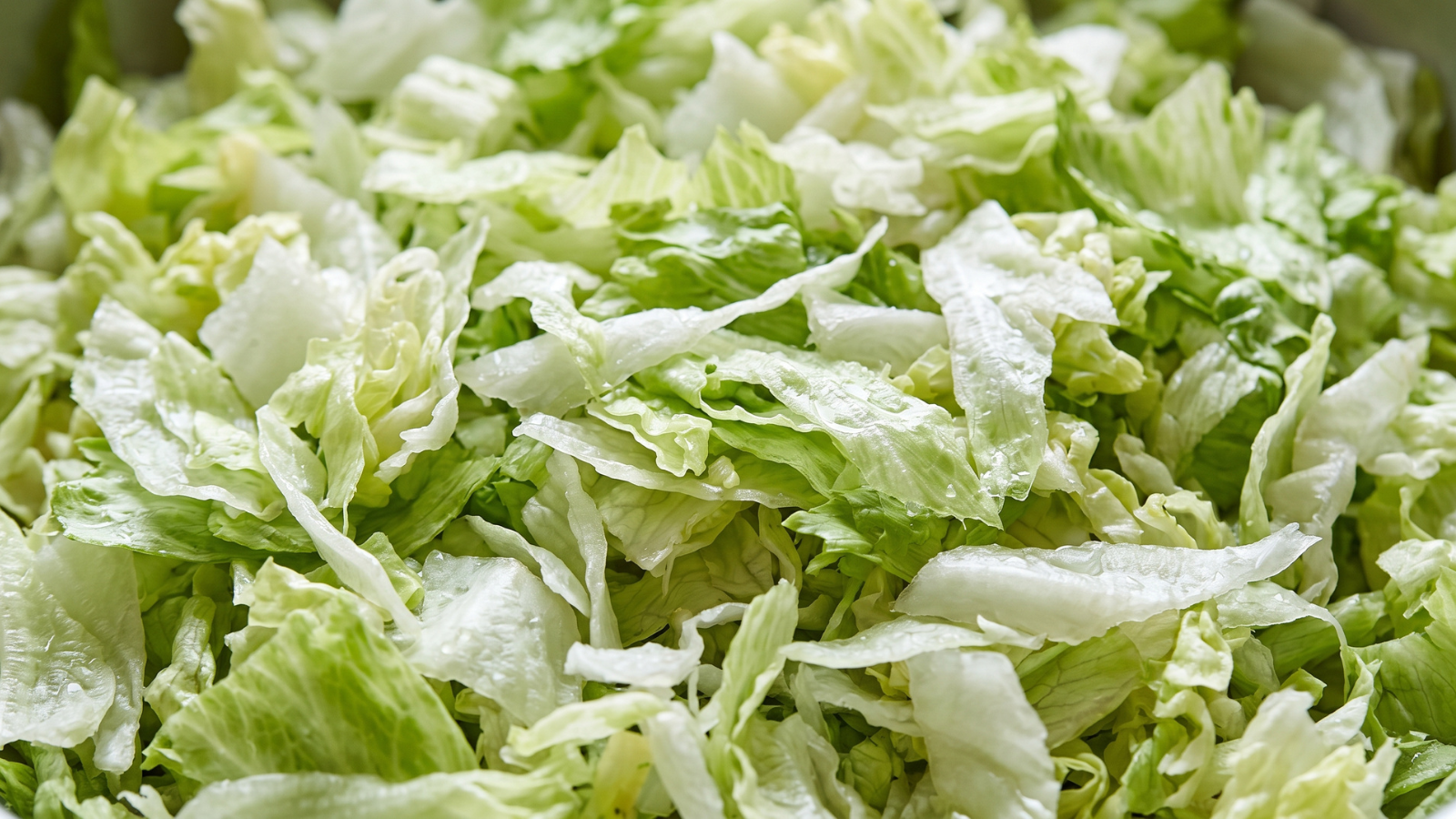
In a lot of kitchens, the produce decision is already made by the time anyone picks up a knife. There is a case of bagged chopped lettuce on one...
Read more
Somewhere in a c-store or concession stand right now, a drop-in warmer is failing. The thermostat drifts. The well takes too long to recover between...
Read more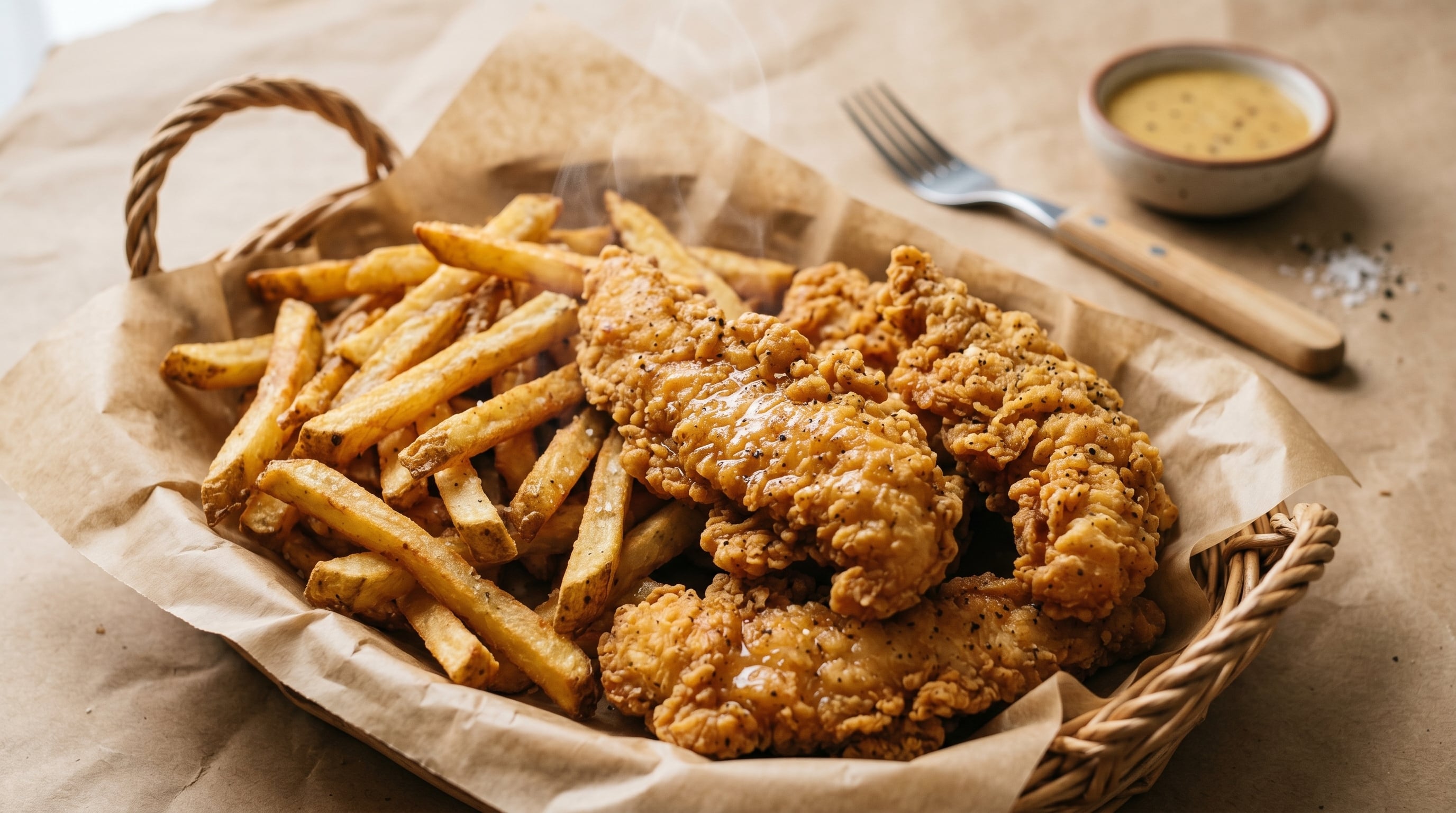
Fried food has about a fifteen-minute window. After that, the fries go limp, the breading turns soft, and the batch that came out of the fryer...
Read more
In most commercial kitchens, prep doesn’t slow down because of volume. It slows down due to friction, cleaning, maintenance, and equipment that...
Read more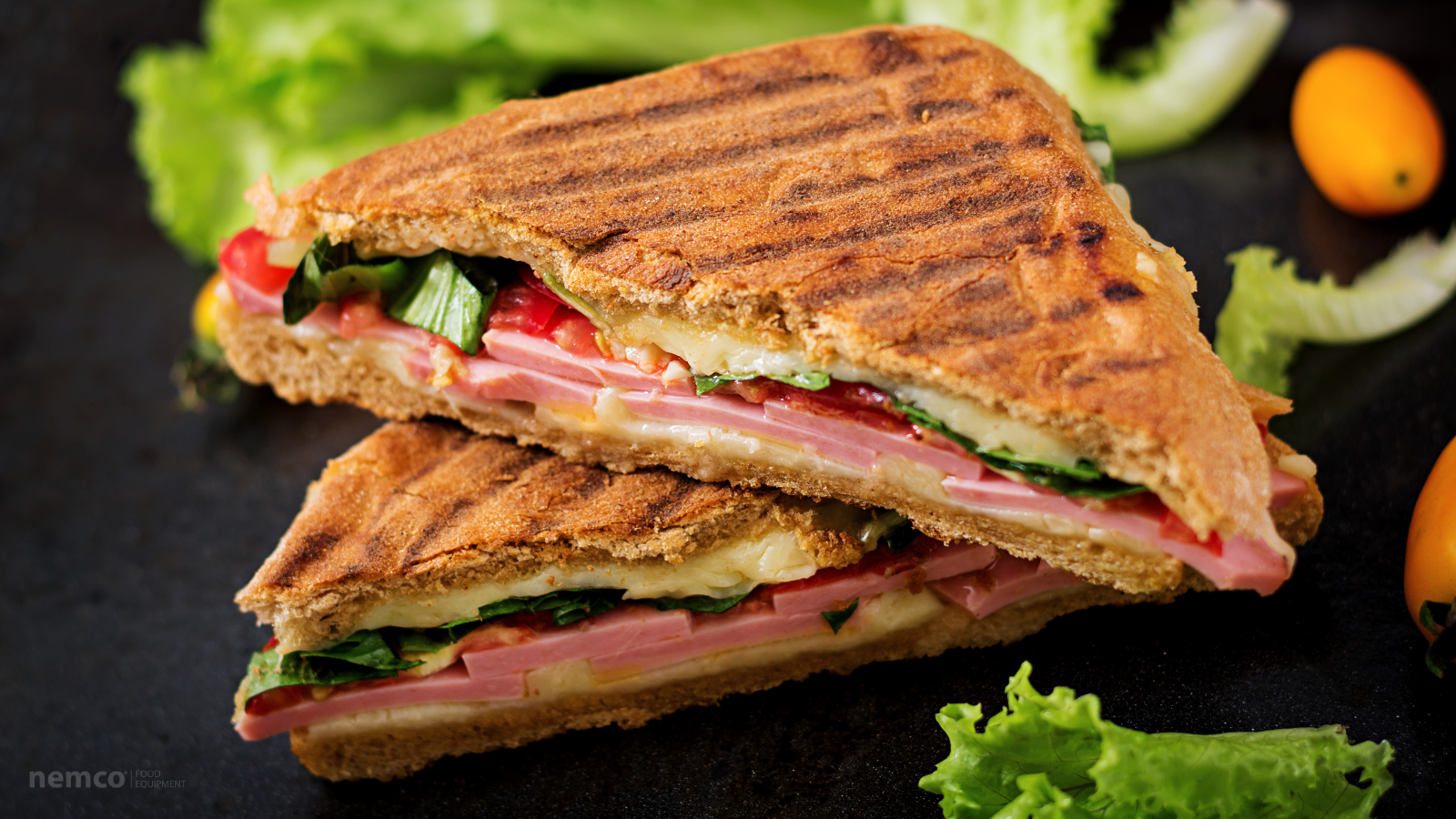
Before the PaniniPro™, a hot panini meant a sequence. Cold protein went into a separate heater. The press came next. Then assembly, packaging, and...
Read more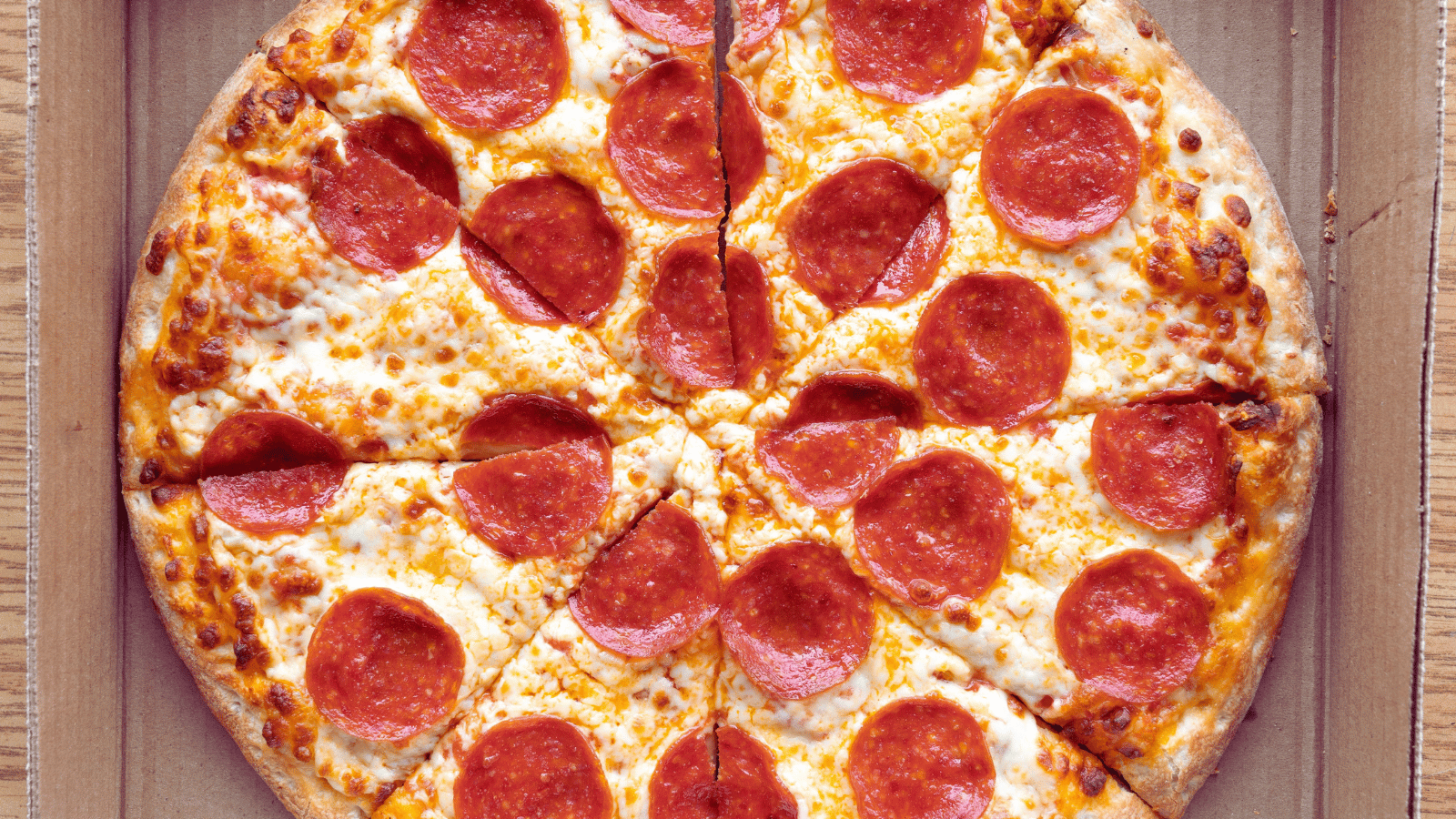
Most operators assume a pizza program requires a full kitchen buildout. They picture more space, more equipment, and a larger investment than their...
Read more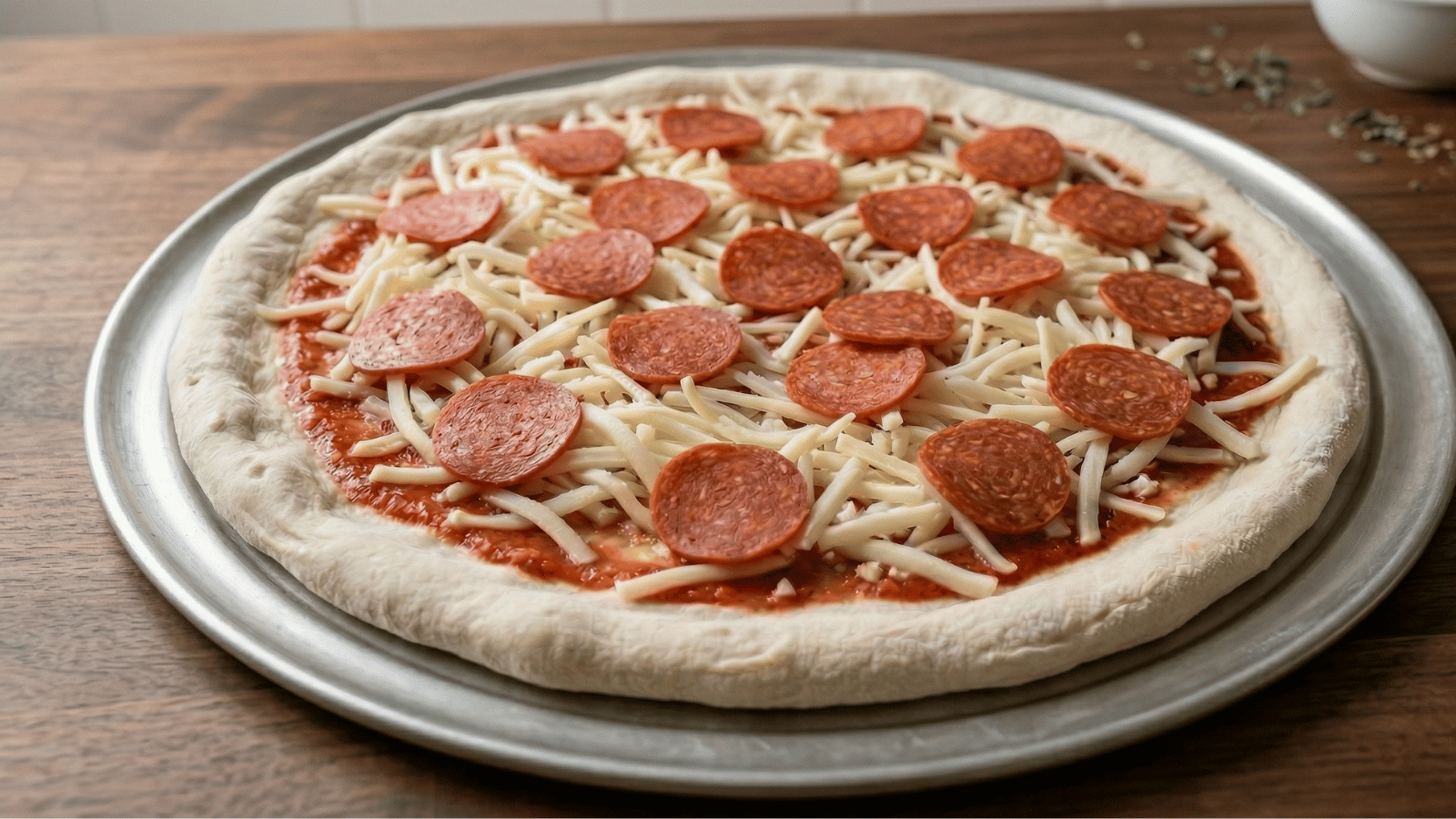
Running a pizza program sounds like more work—more prep, more training, and more pressure on an already stretched team. That assumption stops many...
Read more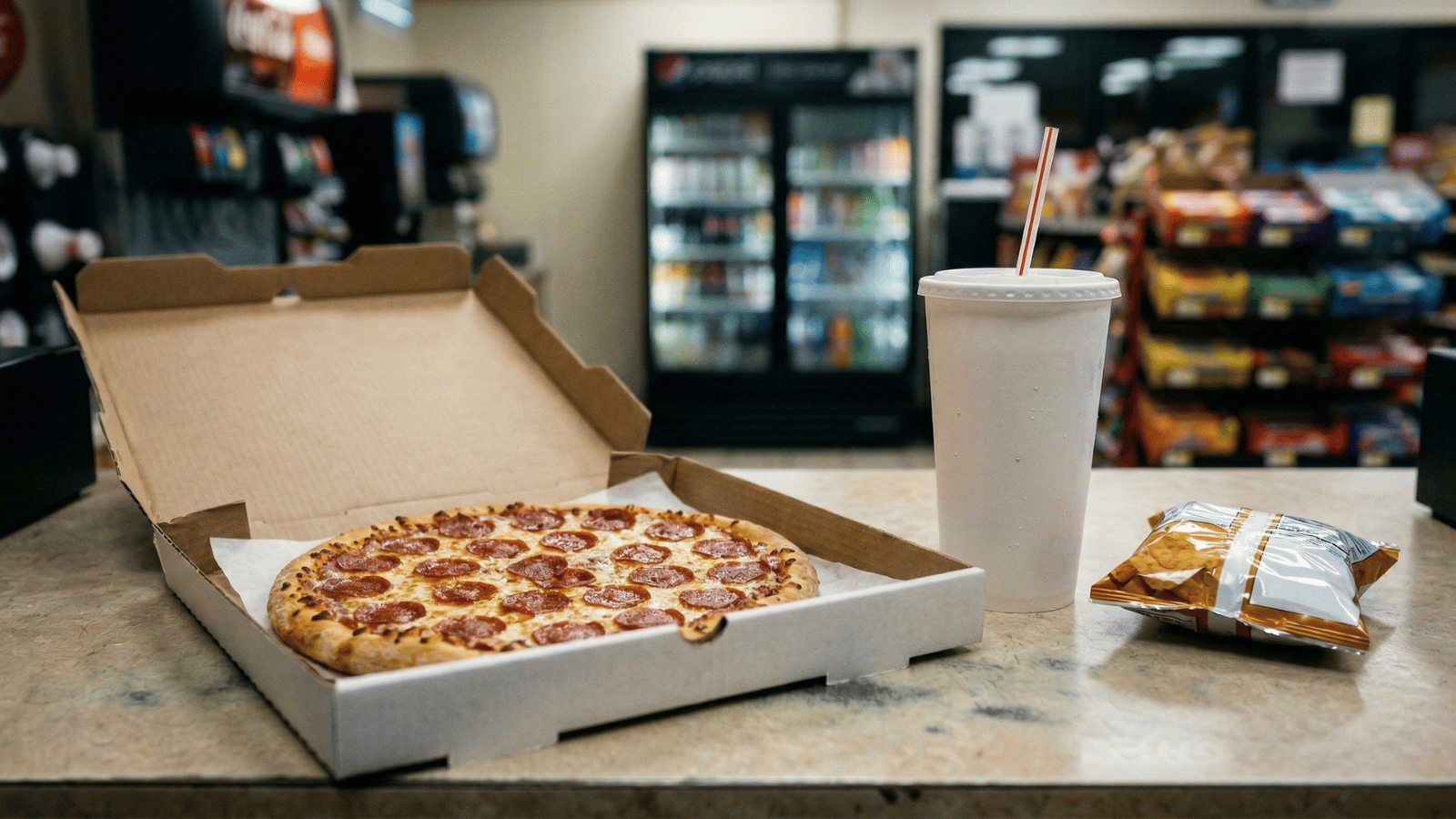
A pizza program in a convenience store increases food sales by driving repeat traffic, boosting basket size, and helping operators compete with QSR...
Read more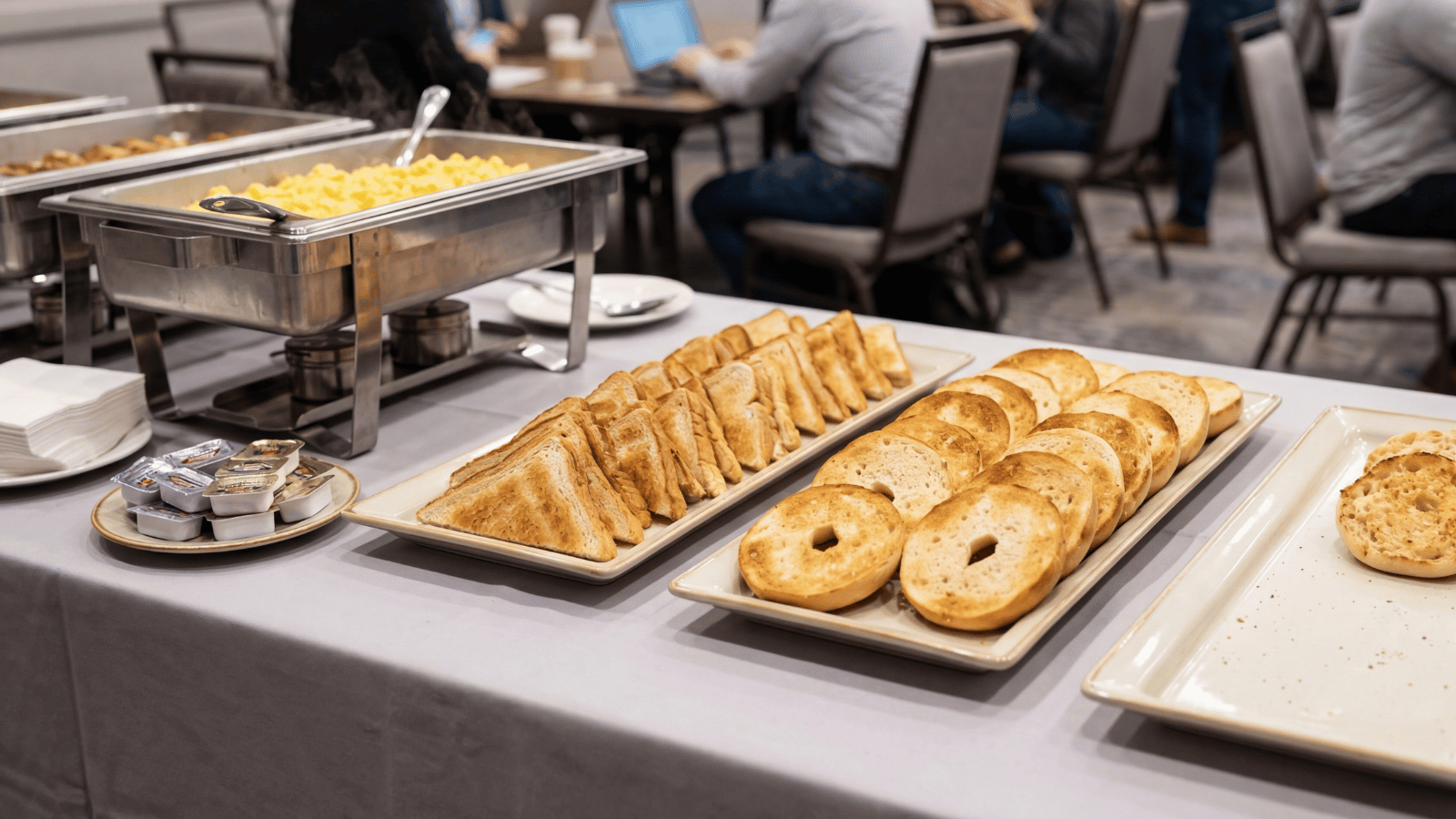
When choosing a conveyor toaster for high-volume breakfast service, operators should prioritize three factors: sustained throughput capacity,...
Read more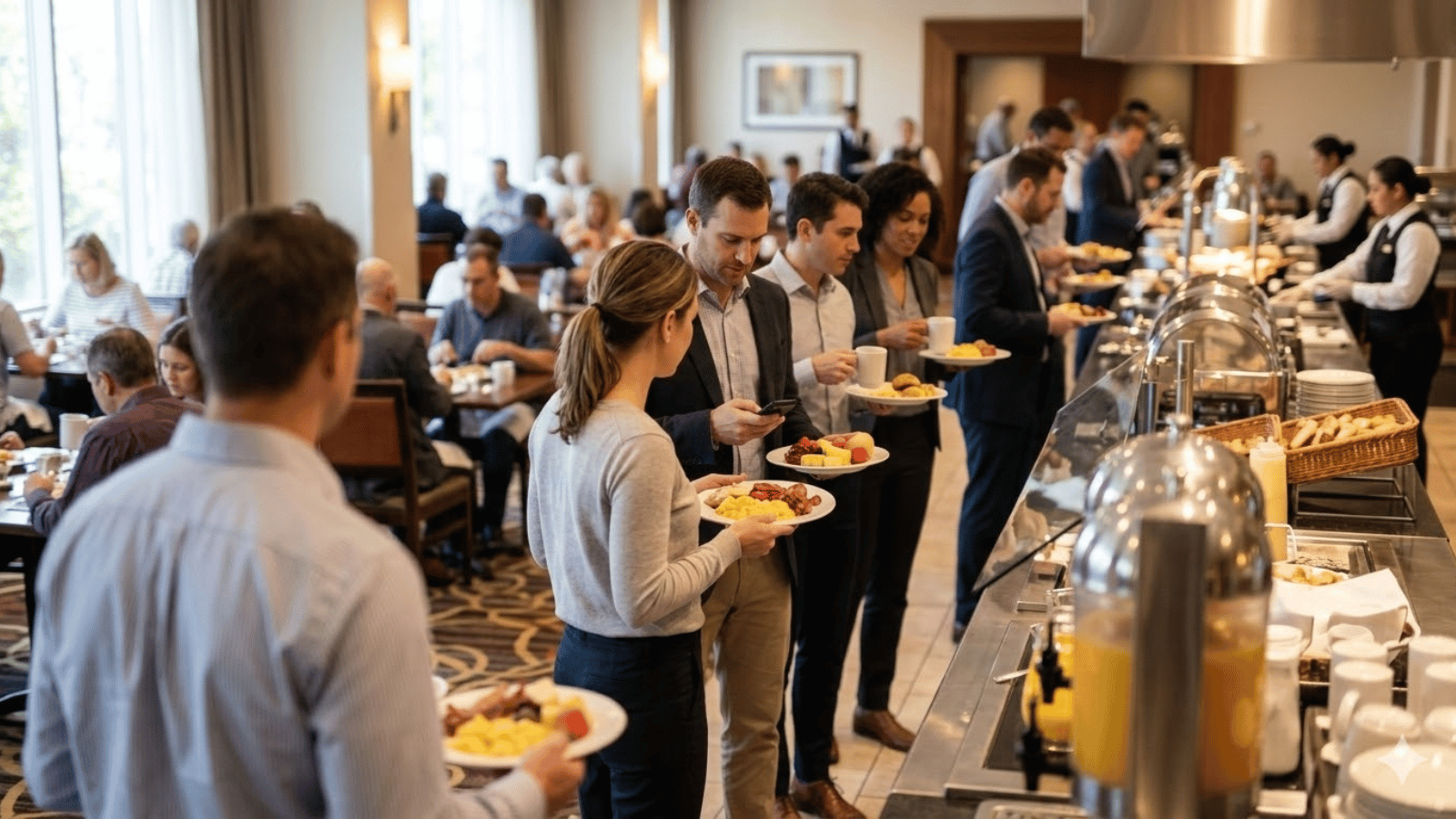
When a commercial conveyor toaster can't sustain output during peak service, it becomes the bottleneck that slows everything around it. Breakfast...
Read more
K–12 schools and institutional foodservice programs depend on commercial kitchen equipment built for speed, durability, and reliability because the...
Read more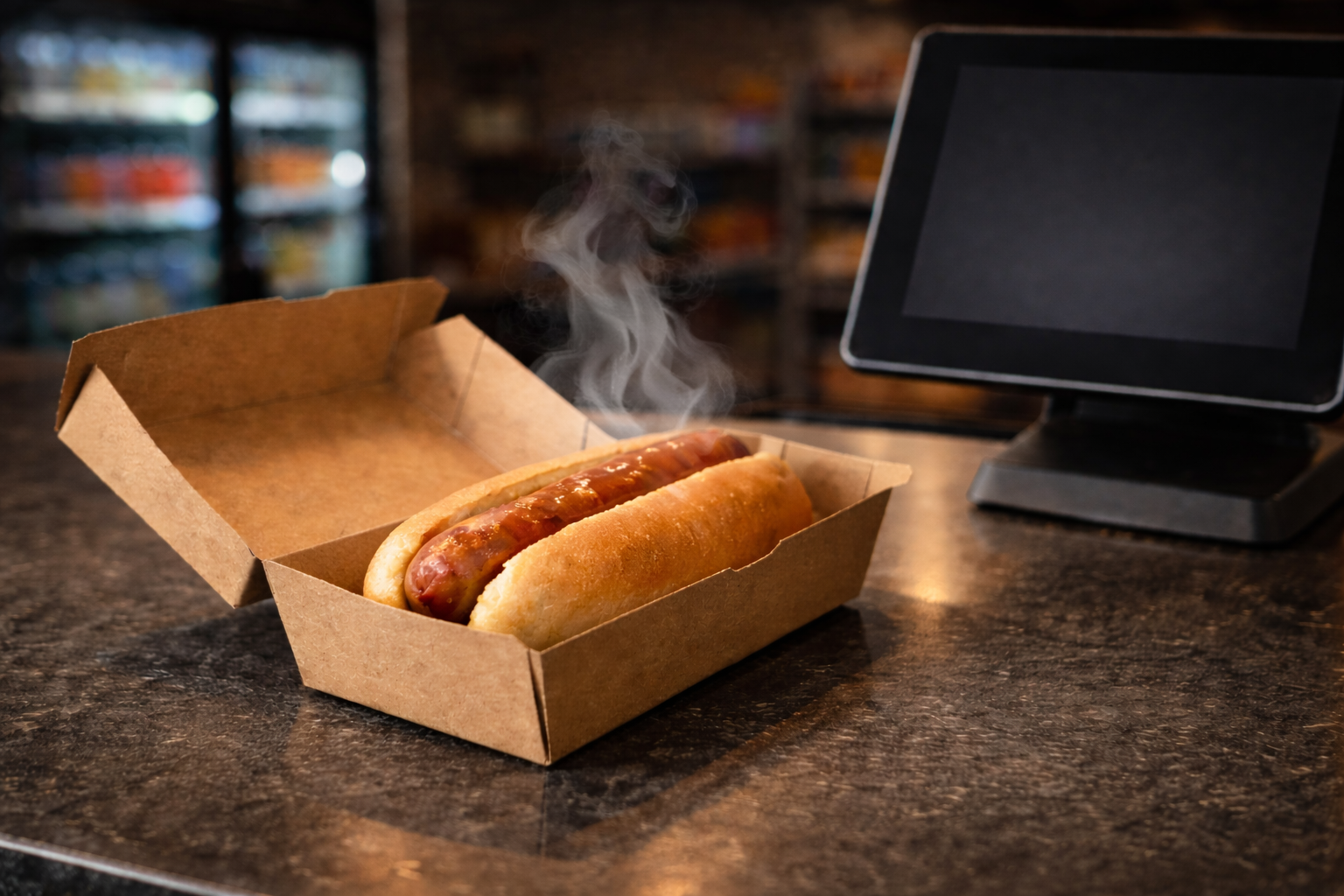
Hot food can be one of the highest-margin categories in a convenience store. But not every hot food program works in every location. A roller grill...
Read more