/nemco-logo.png)
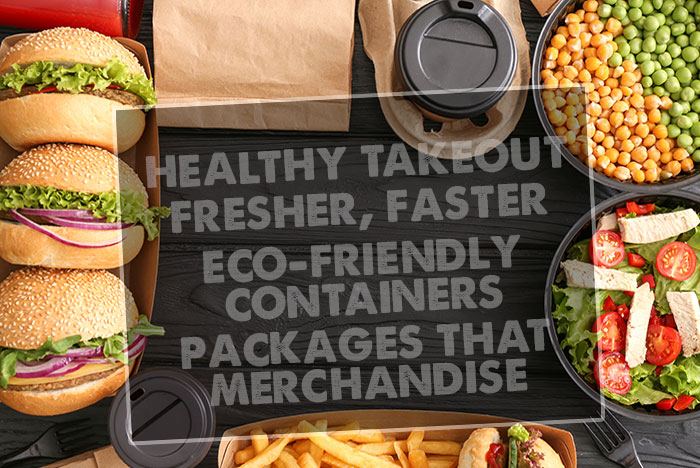
Here are 5 important considerations for making the most of the healthy to-go opportunity.
1. Understand What the Healthy Demand Is All About
Largely driven by the Millennial segment, the “healthy” perception is generally not about abandoning foods, say, high in fat or sugar. It’s about choosing higher-quality versions—specifically, foods that are more natural and less processed, with clean ingredient labels.
In the pandemic-inspired return to more comfort foods, that can expand your menu beyond kale and quinoa—even for the long haul, as 69% say they’ll likely continue to eat the comfort foods that they rediscovered this past year.
2. Make Fresh Faster
Kitchens that thrive will be those able to migrate further toward new habits and investments that make ‘fresh prepared’ more efficient.
Achieving this can involve everything from optimizing kitchen space, particularly in the midst of delivery-only and ghost-kitchen operations that demand a leaner layout, to better inventory management (#5 below) and maintaining shorter menus.
The best part about attacking this faster-fresh aspect is how it can present opportunities for other efficiencies in the healthy-meets-convenience demand—such as equipment that simultaneously speeds up food prep, while also supporting root-to-stem usage and controlling portions.
3. Simplify Flavor Expansion
Operators don’t have to fully commit to meal-kit type offerings (though, that’s yet another trend getting legs right now) to turn takeout packing arrangements into a new opportunity.
Hidden in that is an opportunity to expand beyond your traditional ketchup and mustard to introduce new, healthy, house-made flavors that can wow the customer, even when it comes to takeout and delivery’s more conventional best sellers.
4. Adjust Your Menu for the Road
For operators who have been able to resume dine-in, many have developed separate to-go menus, as they’ve come to identify foods that travel better than others. And there are plenty of sources to offer insight on this.
In addition, some other quick-hit ideas to keep in mind include:
- Food holding is critical—whether hot roasted chicken or a cool meal bowl—especially when to-go order volume is part of maintaining delivery-route efficiency.
- Healthy merges with grab-and-go beautifully in the form of sandwich wraps, sushi rolls and other similar “no-utensils-required” menu items.
- Order and stock well-known branded prepackaged items you can add as ingredient complements to a meal. Think Blue Diamond nuts for upscale salads.
- Explore packaging options that are being developed in real time, as part of the innovation happening downstream in this foodservice shift. Consider new ideas in insulated materials, as well as designs that seal well and keep foods stabilized, with hot and cold foods separate. And, for self-serve, grab-n-go applications, look for packages that merchandise much better than your Styrofoam clamshell.
Finally, like the healthy movement, the demand for greener restaurant operations is another pre-Covid trend destined to reemerge in this next phase of off-premises dining, with consumers demanding takeout carriers that are more eco-friendly.
5. Healthy To-Go Profits Call for a Leaner Pantry
Improving inventory management is always wise, but becomes even more paramount in this new era. Having a tight, data-centric handle on what’s moving through your kitchen is about reducing costs and optimizing the freshness so critical to high-quality, healthy food deliveries.
Another proactive solution that goes hand in hand with this effort to reduce food waste is a steady roll of limited-time offers (LTOs) featuring crafted foods from on-hand ingredients.