/nemco-logo.png)
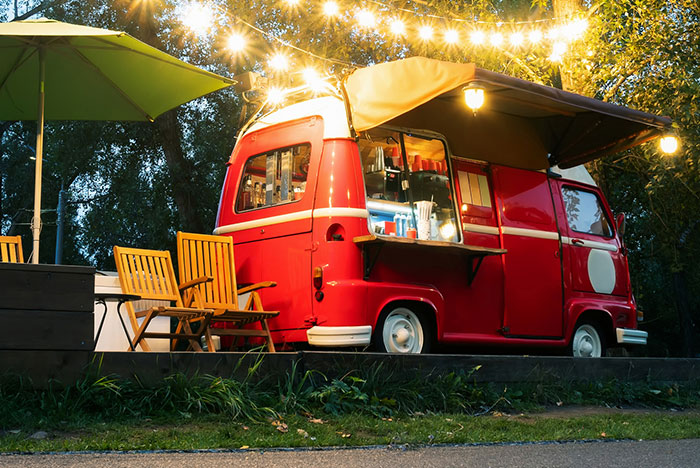
Real estate is on fire, as operators clamor for more drive-thru lanes. And, even as dine-in comes roaring back, shrewd virtual-brand developers are regrouping for a 2.0 evolution, while traditional dine-ins are imagining how they can expand seating.
If you’re thinking about shrinking, here are 5 equipment-decision strategies—beyond the obvious of specifying small footprint designs—to maximize productivity and profitability in tighter quarters.
1. Food Equipment Solutions to Front Load and Hold Orders
Managing limited space has everything to do with managing time. Use that space like mad during downtimes to alleviate bottlenecks during rushes.
First, investigate ways to accelerate every facet of prep, automating where you can for portion control as much as speed. This makes order assembly faster and more consistent for food-cost efficiency on par with your labor efficiency.
In addition, emphasize and invest in higher-performance compact holding equipment that can make all this early work pay off. While convenience is giving food quality a run for its money as the top consumer demand, achieving both is what sets brands apart.
2. Put a Premium on Food Equipment Versatility
Depending on menu depth, finding compact equipment with flexible or crossover capabilities is essential.
This involves searching for equipment specifically designed for such versatility, like multichambered ovens or dispensers that can handle a range of viscosities.
But it also involves being resourceful and discovering versatility not advertised. It could be a steamer designed for rapid retherm that you find can also cook some of your menu options. Or it could be as simple as turning the topside surface area of a refrigeration unit into a workstation.
3. Find Ventless Food Cooking Options
It’s not simply that hood systems take up space and resources vital to small kitchens. It’s that ventless alternatives are so often noted for their speed.
Not to mention, ventless equipment can also optimize kitchen mobility for applications that depend on it and simplify health department compliance in jurisdictions where ventilation is a hot-button issue.
4. About That Food Equipment Mobility Point in #3 . . .
Equipment mobility is valuable even for shrinking kitchens that aren’t built to go anywhere (think urban brick-and-mortar or QSRs investing in six-lane drive-throughs).
As spaces get more compressed, kitchens often have to become more operationally malleable—meaning the equipment might have to move within the kitchen to optimize space and throughput efficiency depending on the daypart, traffic flows, a menu shift, or some other midday change.
5. Think “Vertical” Food Equipment
To ramp up productivity within the same small footprint, look for equipment that can stack.
Pretty simple.
More Shrinking Foodservice Kitchen Strategies
Smaller kitchens present tremendous opportunities for both on- and off-premises dining operations that want to optimize their property or go mobile.
Like any other opportunity, however, a shrinking-kitchen evolution can also present risks that are anything but insignificant.
For more, take a blog flashback to Shrinking Kitchen? Watch Your Step and explore some of the service, menu, and brand-impression pitfalls known to expand when kitchens contract.