/nemco-logo.png)
1. Consumers Are Extending Their Health and Innovation Menu Demands to Snacking
As 9 out of 10 consumers confess to replacing meals with snacks at least once a week, they aren’t doing it with the intention, or even the acceptance, of giving up the nutritional value.
Thus, a third to half of those same consumers are looking for snacks with “a focus on health” or functional benefits.
Drill down a little deeper and it’s easy to see how this has everything to do with a menu-to-snack health trend uncovered by Innova Market Insights, where they found “the most popular formats of interest for plant-based products are finger foods, toppings, fried foods, ready meals, and snacks.”
But better-for-you eating isn’t the only menu-demand trend extending into snacks either, as evidenced by another element of the Frito Lay report that caught the attention of retail’s National Association of Convenience Stores.
NACS called out the report’s foray into the self-identified “snack savant” (mostly Millennials and Gen Z) who explore their own “eccentric snack combos” in search of variety.
Bottom line, whether talking about health or flavor exploration, prepared foods, for their fresh impression and LTO potential, can meet both demands better than packaged options.
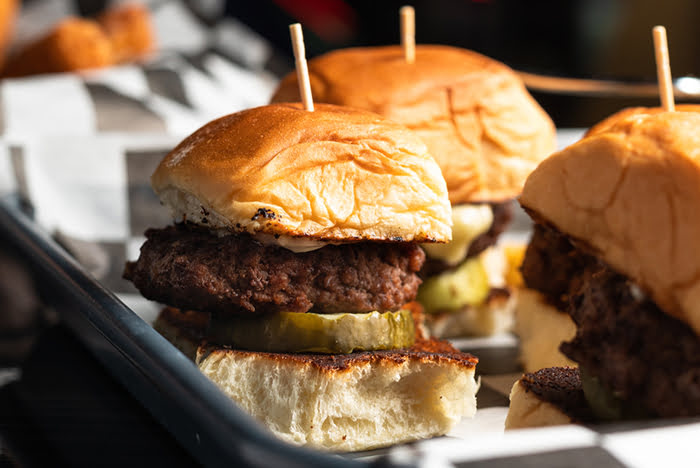
This opens up a wide array of convenient snack ideas, from fruit parfaits and sandwich sliders to whole grain baked goods and even gourmet pizza by the slice (which has seen 12% unit sales growth in the past year due to inflation pressure).
2. Consumer Snacking Peaks at Afternoon Drive Time
Time, or lack thereof, is the underlying driver of snack consumption as a functional necessity. But the purchase decision is predominantly an impulse one.
According to 84.51°’s data, craving is the number one trigger for grabbing a snack, identified by 58% of respondents. Overlay that with the fact more people snack in the late afternoon and evening (both registering 84%) than at any other time, and the moment is ideal for retailers that thrive on the drive-by customer “heading home from work.”
On its face, this insight might seem somewhat less compelling without knowing where these participants are at that time of the day (especially given how remote work has changed the daypart meal structure).
But the dynamic becomes much more intriguing when examined in tandem with the next insight that really raises the prospect for effective prepared-snack appeal.
3. Consumers Are Way More Inclined to Buy Snacks In-Store
Reinforcing the impulse-buy aspect of snacking is yet another 84.51° data set in which consumers clearly hold a tendency to buy snacks in-store (a combined 85% said they do so more or with the same frequency compared to a year ago).
Meanwhile, those who say they “don’t buy snacks online” were also the clear majority.
Without question, this brings into focus a consumer ripe for unique prepared-snack items that are merchandised well in a retail brick-and-mortar. And, when impulse on the part of the patron meets innovation on the part of the operator, it’s a model for scoring a premium-price sale.