/nemco-logo.png)
Does this mean the conventional daypart model is looking at extinction? …No.
But it does mean new opportunities are arising for operators who like to think strategically.
1. All-Day Dining Calls for Foodservice Menu Evaluation
In this new daypart dynamic, diners are more motivated by spontaneous hunger and less so by the conventional mealtime clock.
Menu options ought to be reflective of this trend, allowing for daypart crossover and more snack-oriented options (think about expanding appetizer varieties, for example). And, more than ever, menus should gear toward craveable items.
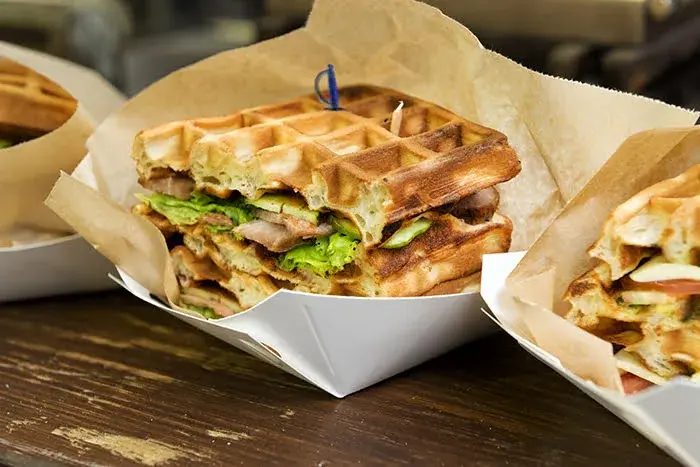
Likewise, this ‘spontaneous hunger’ also drives convenience demand (more on this below), as consumers are looking to satisfy that hunger ASAP. So, optimizing this opportunity also means looking into more hearty handhelds, bowls, and other items that can condense full meals into one, easy-to-consume item.
All this said, however, ongoing menu innovation should continue to be part of the strategy.
No matter how intense the hunger, consumers still have an entire digital world at their fingertips and a short attention span to go along with it. They won’t simply revert to standard, base-level sustenance because they don’t have to.
Continuing to entice them with LTO and other unique menu items is as critical as ever.
2. All-Day Dining Means Cranking Up Your Convenience Game
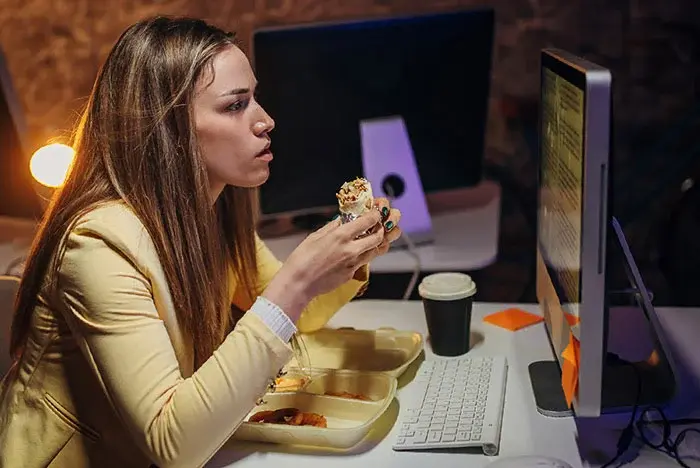
Whether truly a remote-work situation or just a laziness that’s part of the trend, all-day, hunger-inspired dining is naturally accompanied by an off-premises shift.
Understanding what comes with this food-to-go expectation further reinforces why launching or expanding drive-through, pickup, and delivery capabilities is a worthy investment. But it’s important to explore this with thoughtful consideration for the post-pandemic dine-in rebound, not at the expense of it.
In tandem with this are investments in digital ordering, payment, and loyalty programs that have become the accelerant for rapid-growth chains.
On the labor side, flattening traditional mealtimes might actually work to operators’ advantage. According to a 2023 survey by Toast, “flexible schedule” was far and away the #1 reason “employees took their current restaurant job.” This demand isn’t new. But it can better serve all-day dining’s rising need to spread the workforce more evenly around the clock.
Likewise, always being prepared means equipment arsenals should also evolve to facilitate longer food holding. This includes determining the right balance of high-performance units to maximize food quality—especially in delivery scenarios.
3. One More Facet Opportunity Remote Work Creates for Foodservice
A wrinkle in this new employee taste for remote work is that employers are negotiating to recapture, at least, some in-office time. Thus hybrid models are becoming more prevalent. Part of making that work are incentives like in-office lunches.
This, in turn, has given rise to catering services.
In fact, according to TouchBistro’s 2024 State of Restaurants Report, roughly 54% of restaurants said they plan to introduce catering services this year. Compared to adding multiple new locations (44%) and opening one location (43%), catering was the top way operators plan to boost revenue.