/nemco-logo.png)
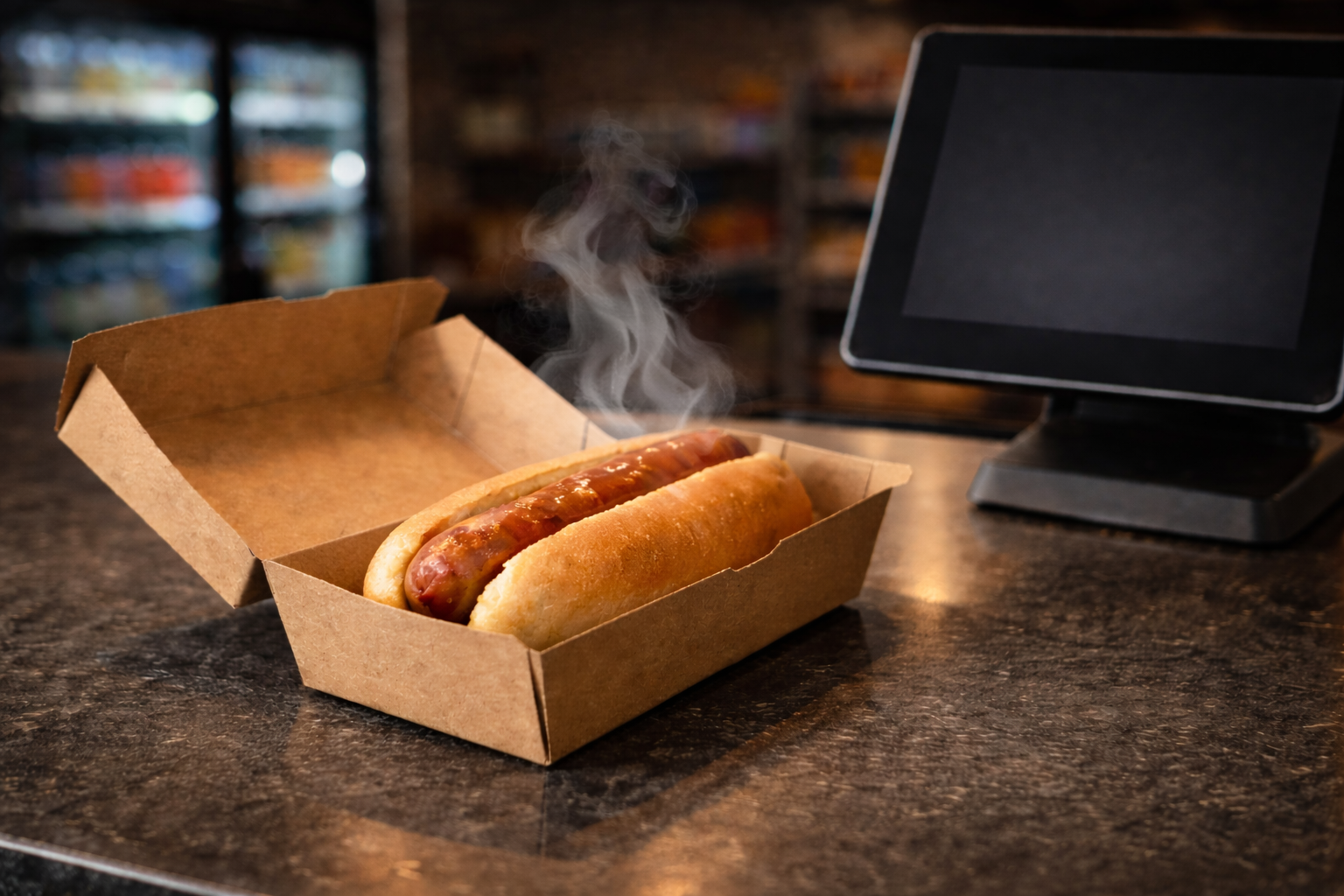
Hot food can be one of the highest-margin categories in a convenience store. But not every hot food program works in every location. A roller grill program should align with traffic, labor model, layout, and customer expectations. If it doesn’t support how a store operates day to day, it won’t deliver consistent results.
Why Roller Grill Programs Still Perform
Hot dogs and roller-grilled items remain staples in convenience retail because they align with how customers shop: quickly and often on impulse.
The U.S. hot dog market continues to show steady demand, supported by value pricing and grab-and-go convenience. In a category where trends shift quickly, dependable items that sell at high margins matter.
Unlike made-to-order programs, roller grills provide immediate visibility and instant availability. There’s no wait time and no order queue. When positioned well, they convert foot traffic into incremental revenue without slowing front-counter operations.
For stores focused on speed and simplicity, that operating model works.
When Does a Roller Grill Make Sense?
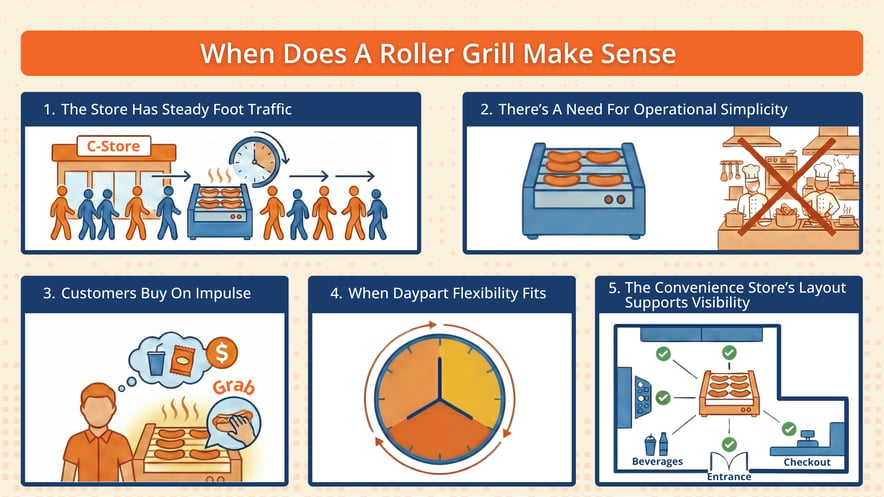 A hot dog roller grill makes sense for c-stores when key operational factors line up. The decision isn’t just about equipment. It’s about how the store operates day to day.
1. The Store Has Steady Foot Traffic
Roller grills thrive on volume.
Locations near highways, commuter corridors, schools, hospitals, or industrial parks often see repeat visits throughout the day. That steady flow keeps product rotating and helps control shrink. When items turn consistently, holding times stay manageable and margins remain intact.
If traffic is light or unpredictable for long stretches, maintaining freshness becomes harder. In lower-volume stores, a limited grab-and-go program may offer better control.
The first question is simple: Do you have enough daily traffic to support continuous rotation?
2. There's a Need for Operational Simplicity
Labor remains one of the most significant operational considerations in convenience retail.
A roller grill program typically integrates into existing workflows without requiring a dedicated cook line or complex production steps. Team members can replenish product, monitor hold times, and maintain food safety standards while continuing to manage front-counter responsibilities.
Because the format does not rely on order assembly or ticket sequencing, it supports a streamlined approach to hot food execution. For stores operating with lean staffing models or high employee turnover, that structure can make implementation more manageable.
For operators looking to expand hot food offerings while maintaining operational efficiency, a roller grill often aligns well with current labor realities.
3. Customers Buy on Impulse
A roller grill functions as both a food platform and a merchandising tool. The visibility, motion, and aroma prompt quick decisions. Customers who enter for fuel, beverages, or lottery frequently add a hot item when it’s ready and within reach. That impulse behavior supports incremental revenue without heavy promotion.
If a store already sees strong attachment rates with drinks and packaged snacks, a roller grill can extend that pattern into hot food.
4. When Daypart Flexibility Fits
A roller grill can flex across breakfast, midday, and late night without reconfiguring the entire setup. Operators can rotate menu offerings based on traffic while maintaining one manageable platform. While hot dogs remain a staple, many convenience stores also use roller grills for items such as egg rolls, taquitos, and other grab-and-go snacks. That flexibility allows operators to refresh the menu and test new offerings without overhauling the program.
For stores that need broad coverage without added complexity, that flexibility matters.
5. The Convenience Store's Layout Supports Visibility
Roller grills depend on placement. Units positioned near the beverage area, entrance, or checkout encourage engagement and faster buying decisions. If the equipment sits outside the natural flow of traffic or causes congestion, performance suffers.
Before launching a program, evaluate how customers move through the store. The right placement enhances flow. The wrong placement creates friction.
When a Hot Dog Program May Not Be the Right Fit
A roller grill does not solve every foodservice strategy.
If a brand centers exclusively on premium, made-to-order offerings, traditional roller items may not align with positioning. If the store is investing heavily in a full kitchen buildout, that initiative may take priority.
Low-volume locations may also struggle to maintain consistent turnover.
The goal is alignment. When traffic, labor, and customer behavior support speed and simplicity, a roller grill program often delivers steady returns. When those factors don’t line up, another format may make more sense.
How It Compares to Other Hot Food Programs
Every hot food program involves trade-offs. Pizza programs can generate higher ticket averages but require more prep, space, and labor oversight. Made-to-order sandwiches allow customization but demand consistent staffing and execution. Bakery programs perform strongly in the morning yet often taper later in the day.
A roller grill operates differently. It offers lower operational complexity, minimal prep, and continuous availability. While individual tickets may be smaller than a full meal program, the impulse appeal and simplicity support reliable daily performance.
Frequently Asked Questions About Roller Grills
Are roller grills worth it in convenience stores?
Yes, if the store generates steady daily traffic and can support consistent product rotation. In high-frequency locations, they often drive incremental sales through impulse purchases while operating within existing labor structures. Stores with low or unpredictable traffic may find it harder to maintain margins due to slower turnover.
How much traffic does a convenience store need for a roller grill?
There is no universal threshold, but a roller grill performs best in locations with consistent foot traffic throughout the day. Stores near highways, commuter routes, schools, or dense residential areas typically see the repeat visits needed to keep product rotating. The key factor is steady volume that supports freshness and minimizes shrinkage.
What are the operational requirements for running a roller grill program?
A roller grill program requires regular product replenishment, monitoring of hold times, adherence to food safety procedures, and thoughtful placement within customer traffic flow. Most convenience stores integrate these tasks into existing front-counter responsibilities rather than staffing a separate cook line. Success depends on disciplined execution and consistent oversight.
What to Consider Next
If a roller grill appears to align with your traffic, labor model, and layout, the next step is planning the program correctly before selecting equipment.
Download the Roller Grill Starter Guide to evaluate space requirements, throughput considerations, and merchandising strategy before making a purchase decision.