/nemco-logo.png)
Running a pizza program sounds like more work—more prep, more training, and more pressure on an already stretched team. That assumption stops many operators before they start.
In reality, a well-structured pizza program simplifies execution. It standardizes prep, reduces decision-making, and fits into existing workflows without adding staff because the challenge is not the work itself. It is how operators approach it.
Why Pizza Feels Complex (but isn’t)
Most operators picture a traditional pizza kitchen with dough prep, multiple ingredients, and constant oversight. That model feels out of reach for a convenience store.
Modern pizza programs work differently. They rely on structure rather than skill and remove variation rather than add options. The process guides staff through repeatable steps that deliver the same result every time.
This shift turns pizza into a controlled system rather than a moving target. Once the process is defined, execution becomes predictable.
What It Actually Takes to Run a Pizza Program
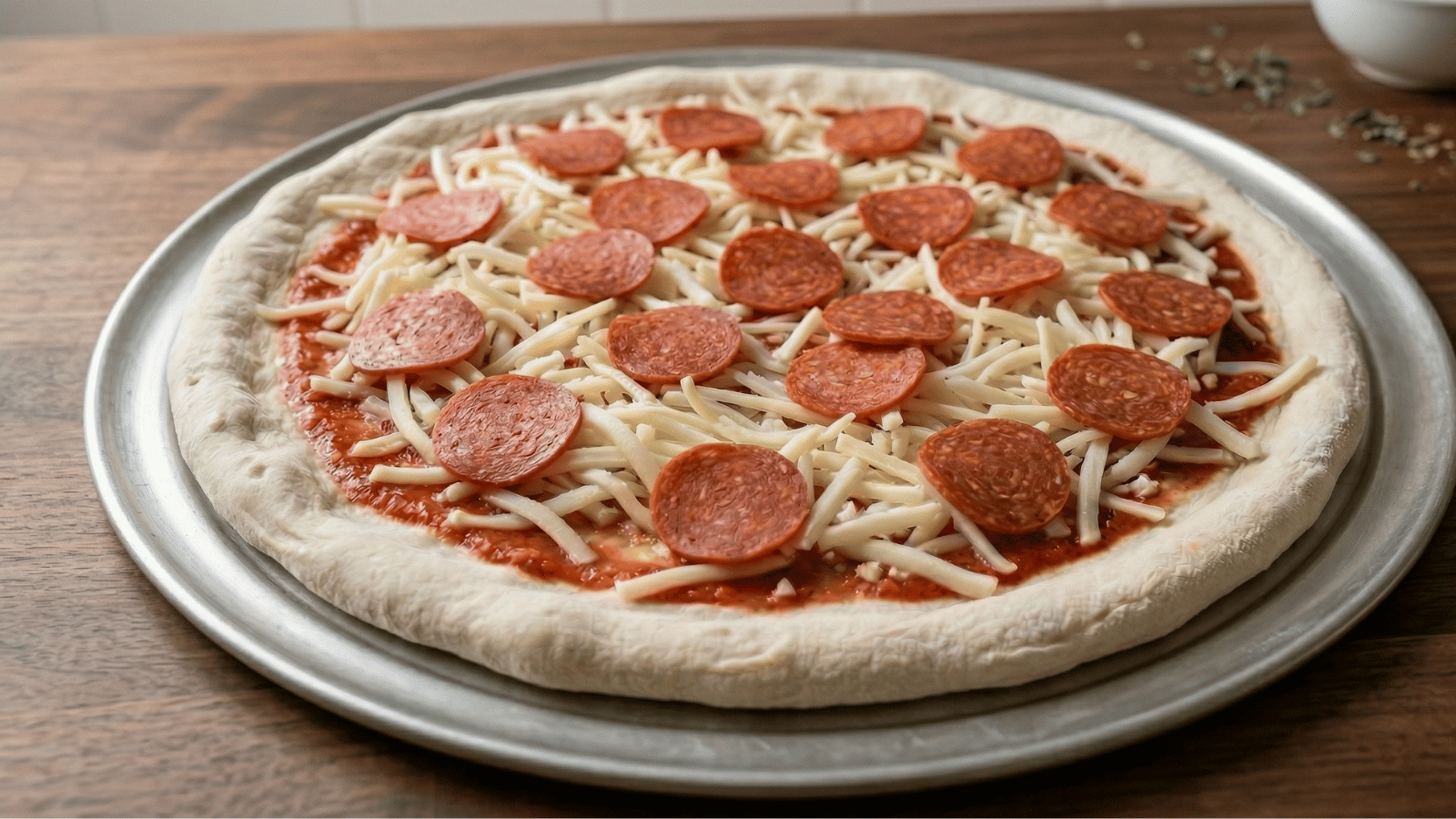
A pizza program comes down to a simple, repeatable flow. Staff assemble the product using defined portions, cook it using a set time and temperature, and then serve or hold it according to clear guidelines.
That structure removes guesswork. Staff do not need to adjust, interpret, or troubleshoot during routine execution—they follow the process and move on.
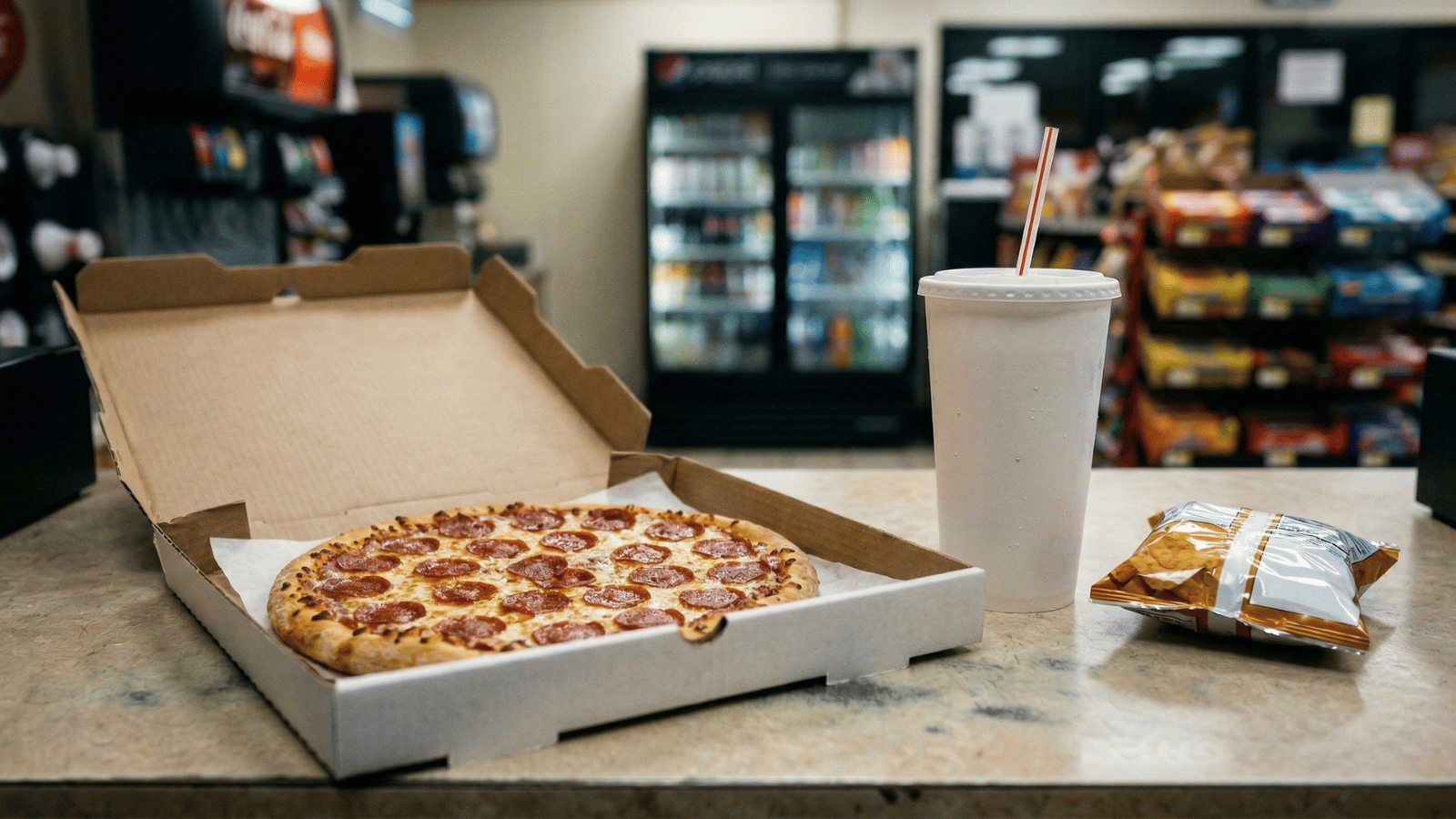
The right equipment supports that consistency. Countertop convection ovens and pizza merchandisers help standardize cook times, maintain product quality, and keep pizza visible and ready to serve. When equipment supports the process, staff spend less time managing the product and more time executing it.
Labor stays manageable because the work stays consistent, which is why most stores run pizza with the same team already handling foodservice. In most cases, adding pizza does not require additional staff. It requires a more structured process.
The most successful pizza programs succeed because they stay focused. Operators limit the menu, reduce variation, and build around a few core items. That approach shortens prep time, simplifies inventory, and makes training easier.
Pre-portioned ingredients reinforce that consistency by ensuring staff use the same amounts every time, which improves speed and keeps results uniform.
Industry guidance supports this approach. Retailers that standardize pizza programs and simplify execution see stronger performance by reducing variability and improving speed.
Why Simplicity Reduces Labor Pressure
Operators often expect pizza to increase labor demands, but a structured system reduces that pressure instead.
Staff do not rely on experience to get it right. The process guides them from start to finish, reducing oversight and maintaining consistent execution across shifts.
This approach also removes the need for trained kitchen staff. New employees can step in, follow clear steps, and produce consistent results. That flexibility helps operators manage turnover without disrupting performance.
Most breakdowns happen when operators overcomplicate the program. Too many menu options, variations, and decisions slow everything down.
Successful programs take the opposite approach. They simplify the menu, standardize execution, and remove unnecessary steps, which keeps the program efficient and repeatable.
What This Means for Your Convenience Store
Starting a pizza program does not require a full operational reset. It requires a clear, structured approach.
When the process stays simple, pizza fits into existing workflows, works with the team you already have, and produces consistent results without adding strain.
Operators who approach pizza this way gain a reliable foodservice offering that supports growth without increasing complexity.
Frequently Asked Questions About Pizza Programs
How much labor does a pizza program require?
A pizza program typically runs with existing staff. A structured process keeps labor needs low and predictable.
Can you run a pizza program with a small team?
Yes. A simplified menu and repeatable workflow allow small teams to execute consistently without added strain.
Do you need trained kitchen staff to sell pizza?
No. Clear steps and standardized processes allow any team member to prepare pizza with minimal training.
Download the guide and see exactly how to structure your setup from day one.